


Overview of the New Minimum Wage Regulations in NCR
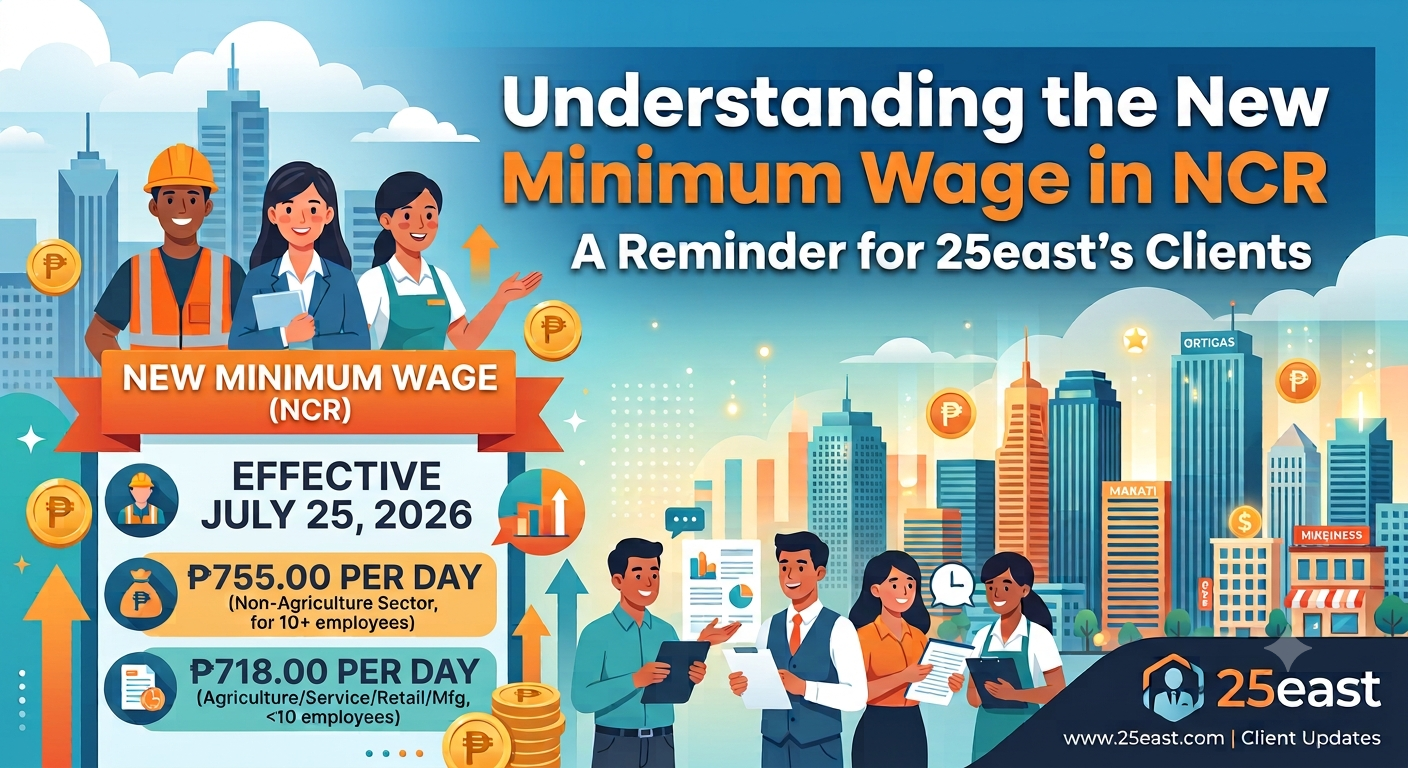
The National Capital Region (NCR) has recently witnessed a significant update to its minimum wage regulations, aimed at addressing the rising cost of living and enhancing the welfare of workers. The new daily minimum wage in the National Capital Region (NCR) under Wage Order No. NCR-27 provides a total ₱85 increase implemented in two tranches, with the first ₱60 hike taking effect on July 25, 2026. This adjustment reflects the ongoing commitment of the government to ensure that employees are compensated fairly for their labor, considering the economic challenges faced by many households.
The latest increase in the NCR minimum wage signifies a critical shift in labor policy; it not only seeks to provide immediate financial relief to workers but also aims to contribute towards the long-term improvement of living standards in the area. Previous rates often fell short of meeting the basic needs of employees, necessitating this revision to better align wages with current economic realities.
By carefully reviewing the disparities between the new rates and those previously in effect, it is evident that the updated minimum wage is designed to provide substantial support for workers in NCR. This change is expected to have a cascading effect on local economies, as an increase in disposable income will likely result in heightened consumer spending, benefiting businesses as well.
Furthermore, the establishment of a new wage floor is instrumental in promoting equity within the workforce. It serves as a reminder that fair compensation is essential in fostering a healthy work environment and encourages improvement in employment standards. In conclusion, the revisions to the minimum wage in NCR highlight a proactive approach to economic challenges, aiming to uplift the standard of living for workers while also ensuring that employers create fair compensation structures.
New Minimum Wage Rates
| Sector/Industry | 1st Tranche (July 25, 2026) |
2nd Tranche (January 20, 2027) |
|---|---|---|
| Non-Agriculture | ₱755 | ₱780 |
| Agriculture (Plantation and Non-Plantation) | ₱718 | ₱743 |
| Service/Retail Establishments employing 15 workers or fewer | ₱718 | ₱743 |
| Manufacturing regularly employing fewer than 10 workers | ₱718 | ₱743 |
The wage increase shall be given to all minimum wage earners working at the National Capital Region. This shall be given regardless of their status and position as long as they are working in the private sector and their wages are paid in any form.
Implications for Employers and Compliance Requirements
The recent updates regarding the minimum wage in NCR have significant implications for employers and their operations. Understanding these changes is essential for compliance and to avoid potential legal repercussions. The new regulations mandate that all employers must adjust their payroll systems to comply with the revised wage standards. Failure to meet these requirements could result in penalties, including fines and legal action.
Employers in the NCR must be especially vigilant in adapting their payroll systems to reflect the new minimum wage rates. This includes ensuring that all employees, regardless of their role or classification, are compensated in accordance with the new standards. The NCR minimum wage adjustments not only increase the wage amounts but also expand the scope of what constitutes compliant employment practices. As such, employers must conduct regular audits of their payroll processes to ensure ongoing compliance.
In addition to adjusting payroll systems, businesses must also ensure that they inform all employees of their new wage entitlements. Transparency in communication can help mitigate misunderstandings and foster a positive work environment. Employers may also need to train their human resources personnel and management team regarding the new regulations to ensure everyone is well-informed about the company’s obligations under the law.
The implications of not complying with the NCR minimum wage can be severe. Non-compliance may lead to lawsuits, damaged reputations, and tax implications that can financially strain a company. Therefore, it is crucial for employers to not only understand their legal obligations but also take proactive steps to implement necessary changes. Companies are encouraged to consult with legal and financial experts to create action plans that align with the new wage standards, thus ensuring their firm operates within legal bounds while fostering employee satisfaction.
Best Practices for Ensuring Compliance with the New Wage Laws
As the New Minimum Wage in NCR takes effect, it becomes critical for employers to adopt best practices to ensure compliance with these wage laws. One of the primary strategies is to conduct a thorough review of current wage structures. Businesses should assess their existing pay scales to confirm that all employees earn at least the NCR minimum wage or above. This assessment should encompass all roles and responsibilities to avoid inadvertent discrepancies.
After analyzing the wage structures, it is essential to make necessary adjustments to employee salaries where required. Employers must calculate the increases needed to meet the new minimum wage standards, taking into account variations in positions and roles across the organization. Transparency in this process will help create a culture of trust and accountability within the workplace.
Maintaining accurate payroll records is another vital aspect of compliance. Businesses should implement robust payroll systems that track wages, hours worked, and employee classifications effectively. Accurate records not only ensure adherence to wage laws but also provide necessary documentation in the event of audits or inquiries from labor authorities. It is wise to establish regular audits of payroll records to ensure continued compliance.
Additionally, effective communication with employees about changes in wages is integral to maintaining employee morale and compliance with the NCR minimum wage requirements. Employers should create avenues for open discussions regarding wage changes, ensuring that employees understand the rationale behind adjustments. Hosting informational sessions or sending out detailed newsletters can be constructive in keeping employees informed and engaged.
Overall, aligning company policies with the new minimum wage laws requires systematic planning and diligence. By implementing these best practices, businesses can promote legal compliance while fostering a positive work environment for their employees.
Why Staying Updated with Wage Regulations is Crucial for Business Success
In today’s competitive landscape, understanding and adhering to wage regulations, particularly regarding the minimum wage, is vital for the prosperity of any enterprise. Businesses that stay informed about the latest updates to the NCR minimum wage can better position themselves to attract and retain talented employees. When companies comply with wage regulations, they signal to employees that they value labor and are committed to fair compensation. This transparency fosters a culture of trust and satisfaction among staff.
Moreover, offering competitive wages not only enhances employee morale but also significantly impacts retention rates. High turnover can be detrimental; it incurs additional costs associated with recruitment and training. Firms that align their compensation strategies with current wage regulations are likely to enjoy lower turnover rates. Employees who feel adequately compensated are more inclined to stay with the company, thus fostering a more resilient workforce.
Furthermore, ensuring compliance with wage regulations can lead to increased productivity levels. When employees are compensated fairly, they are more likely to remain motivated and engaged in their work. This improved morale can translate into higher levels of productivity, which ultimately benefits the company’s bottom line. On the other hand, businesses that neglect to monitor wage updates, including adjustments to the NCR minimum wage, may face legal repercussions and reputational damage due to non-compliance.
In conclusion, staying updated on wage regulations is not just about compliance but is integral to fostering a positive workplace environment. For businesses evolving within a framework like 25east, proactive engagement with these regulatory changes will not only enhance employee satisfaction but also drive overall business success in the long term.