


Introduction to Employee Misclassification
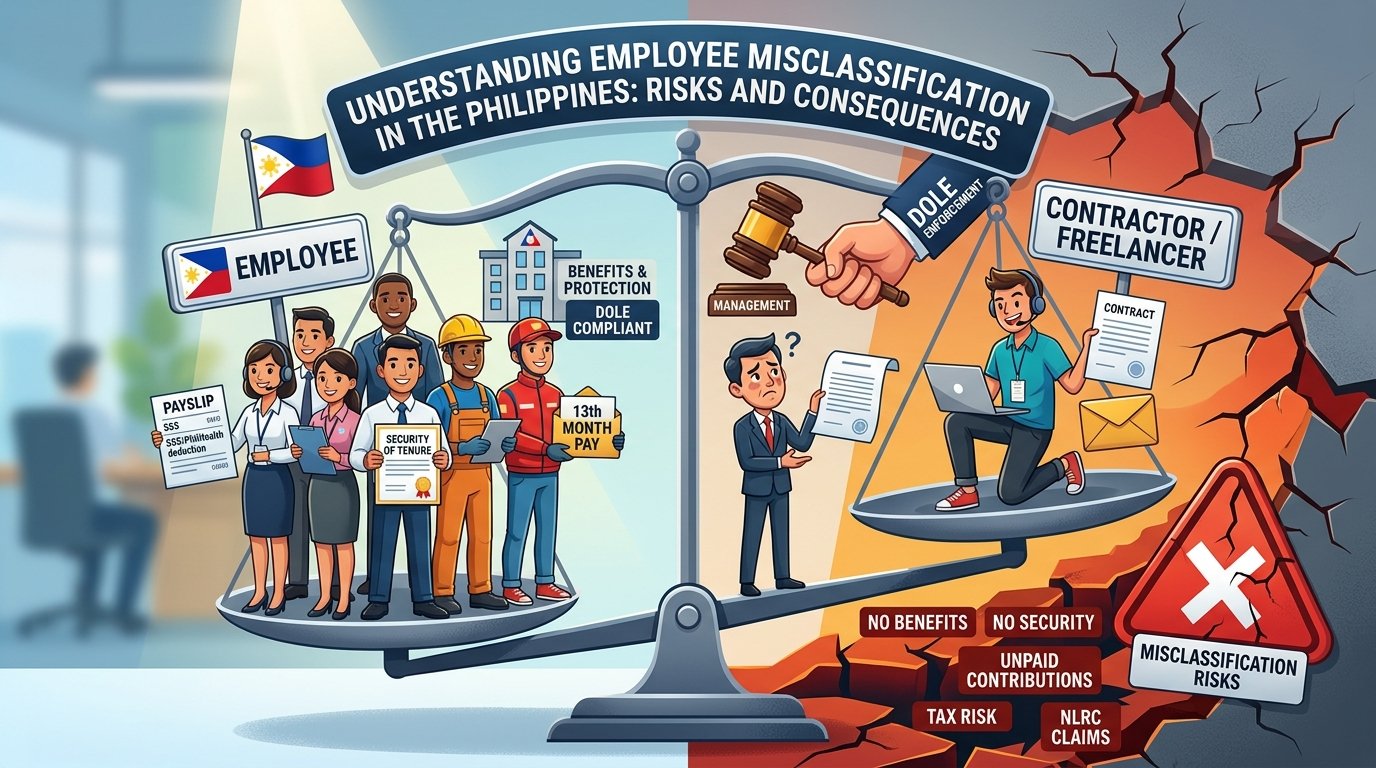
Employee misclassification is a significant issue that affects both employers and employees in the Philippines. This term refers to the incorrect categorization of workers, determining whether they should be classified as employees or independent contractors. Misclassification can arise from various scenarios, such as the misinterpretation of labor laws, the classification of workers based on convenience rather than their actual working conditions, or the misapplication of contractual agreements.
In the Philippine context, several factors contribute to employee misclassification. The complexity of labor regulations, which governs the relationship between workers and employers, can lead to confusion. Employers might mistakenly believe that classifying workers as independent contractors absolves them of certain responsibilities, such as providing benefits, social security, or workman’s compensation. Conversely, employees might find themselves labeled as independent contractors, which denies them the protection and rights afforded to formal employees under labor laws.
Furthermore, the rise of the gig economy in the Philippines has exacerbated this issue, as many individuals engage in short-term contracts or freelance work. This growing sector often lacks clear guidelines regarding the status of workers, leading to an increase in misclassification cases. As a consequence, misclassified workers can face financial instability due to the lack of benefits and protections typically afforded to employees, jeopardizing their economic security.
For employers, the risks associated with employee misclassification can be substantial. Potential consequences include legal penalties, back taxes, and the requirement to provide owed benefits retroactively. Moreover, organizations may suffer reputational damage and diminished employee morale as a result of failing to comply with labor laws. Therefore, understanding employee misclassification and its implications is crucial for both parties involved, ensuring fair treatment and compliance with existing regulations.
Types of Employee Misclassification
Employee misclassification is a critical issue within the workforce in the Philippines, and it is essential to understand the various types that exist. The primary types of misclassification typically revolve around the distinction between employees and independent contractors. Each classification carries significant implications for both the worker and the employer.
Firstly, at the core of employee misclassification is the difference between an employee and an independent contractor. An employee is someone who works under the direction and control of the employer; they are typically entitled to benefits such as health insurance, overtime pay, and contributions to social security. In contrast, independent contractors operate under a separate agreement and have the discretion to manage how they complete their work. This distinction can lead to misclassification if employers incorrectly categorize employees as independent contractors to avoid obligations associated with full-time employment.
Another form of employee misclassification occurs with part-time versus full-time classification. Many workers might be categorized incorrectly based on their hours worked rather than their job functions. This misclassifying can affect employees’ access to benefits provided exclusively to full-time workers, deepening their sense of job insecurity.
Additionally, specific sectors, such as agriculture and the gig economy, pose unique challenges in terms of employee misclassification. Workers in these areas often operate in gray zones, where the definitions of employment can become blurred. Misclassification issues prevalent in the gig economy often lead to disputes over rights relating to minimum wage, work hour regulations, and safety protections, thereby adding complexity to the legal landscape.
In summary, understanding the types of employee misclassification is crucial for both employees and employers in the Philippines. Misclassifying a worker can have profound legal and financial consequences, making it vital to recognize the distinctions outlined here.
Legal Framework in the Philippines
The legal framework regarding employee misclassification in the Philippines is primarily governed by the Labor Code, which provides guidelines for defining the nature of employment relationships. Proper classification of workers is crucial for ensuring compliance with labor laws and the protection of employee rights. The Labor Code distinguishes between regular employees and those engaged in contractual arrangements, guiding employers in their obligations.
In the Philippines, an employee is generally defined as one who performs work for another under a system of control, where the employer has the authority not only to dictate what work is done but also how it is performed. This definition is critical in understanding employee misclassification. Misclassification occurs when employers incorrectly designate employees as independent contractors or freelancers, which can deprive workers of essential benefits and protections entitled to them under the law.
Further regulation comes from various issuances by the Department of Labor and Employment (DOLE), which provide additional clarification on issues surrounding employee classification. Employers must also adhere to guidelines on labor standards, minimum wage laws, and social security contributions, all of which depend on proper employee classification.
In addition to the Labor Code, administrative orders and jurisprudence form part of the legal basis for employee classification. Recent court rulings have underscored the importance of accurately defining employment relationships to avoid legal repercussions arising from employee misclassification. The penalties for misclassifying employees can range from fines to the requirement to pay for back wages, contributing to the urgency for employers to comply with established legal standards.
Common Causes of Misclassification
Employee misclassification has emerged as a pressing issue in the Philippines, with various factors contributing to its prevalence. One of the primary reasons for this phenomenon is the lack of understanding among employers regarding the intricacies of labor laws. Many employers, especially those in small to medium-sized enterprises, may not fully grasp the legal definitions distinguishing between employees and independent contractors. This misinterpretation often leads to misunderstanding of the rights and obligations associated with each classification, resulting in unintentional misclassification.
Improper contract drafting is another critical factor that contributes to employee misclassification. Inadequate or ambiguous employment contracts can create confusion over the nature of the working relationship. For instance, when contracts fail to clearly outline the scope of work, payment terms, and obligations, it becomes challenging to determine whether a worker should be classified as an employee or an independent contractor. This can subsequently lead to legal disputes and financial ramifications for both parties involved.
Evolving economic pressures within the business landscape can further exacerbate the risk of misclassification. During challenging economic times, employers may be inclined to categorize workers as independent contractors to minimize labor costs and avoid the responsibilities associated with hiring employees. This strategy may appear financially advantageous in the short term; however, it could create significant liabilities and legal challenges in the long term, especially if the misclassified workers seek recourse for benefits and protections they are entitled to under labor laws.
Additionally, some companies may engage in employee misclassification deliberately as a measure to enhance competitiveness in the market by cutting labor costs. However, this unethical approach can have far-reaching consequences, not only harming the misclassified workers but also damaging the employer’s reputation and resulting in costly legal penalties. Thus, a comprehensive awareness of these common causes is critical for both employers and employees in navigating the complexities of labor classifications and ensuring compliance with existing labor regulations.
Potential Risks for Employers Due to Misclassification
Employee misclassification is a critical issue that can lead to significant risks for employers. When an employer incorrectly classifies an employee as an independent contractor or fails to categorize an employee correctly, they expose themselves to various liabilities. The repercussions can range from legal actions to financial penalties.
One of the most pressing risks associated with employee misclassification is the potential for legal penalties. Labor laws in the Philippines, like in many countries, stipulate specific benefits and protections that must be provided to employees. Misclassifying a worker can result in violations of labor regulations, leading to fines imposed by government agencies, such as the Department of Labor and Employment (DOLE). These penalties can be substantial, especially if the misclassification is deemed willful.
Additionally, misclassification can lead to the obligation for back pay. Employers may be required to compensate misclassified workers for unpaid wages, overtime, and benefits that they should have received as employees. This back pay can accumulate over time and significantly affect an employer’s financial standing.
Beyond legal and financial ramifications, there is also the matter of reputational damage. Business operations are increasingly scrutinized by customers, partners, and regulatory bodies. If it becomes public knowledge that a company engages in employee misclassification, it could harm the organization’s reputation, leading to loss of trust and potential business opportunities. Stakeholders might question the ethical practices of a company that disregards labor rights, impacting employee morale and retention as well.
Employers must also consider the potential for lawsuits from misclassified employees. If workers feel wronged by their classification, they may choose to take legal action, which could lead to further financial and legal challenges for the employer. Overall, the risks associated with employee misclassification underscore the importance of accurately classifying workers to avoid detrimental consequences that could affect both the organization and its workforce.
Consequences for Employees
Employee misclassification poses significant risks to workers in the Philippines, adversely affecting their rights, benefits, and overall job security. When workers are incorrectly classified as independent contractors instead of employees, they are often denied essential benefits that are typically granted to employees under local labor laws. These benefits include access to health insurance, paid leave, retirement contributions, and other entitlements that are crucial for long-term financial stability.
Additionally, misclassification can lead to job security issues for employees who, under the wrong classification, may not have legal access to protections against arbitrary termination. Employees typically enjoy certain job security rights, ensuring they cannot be dismissed without just cause. In contrast, independent contractors can be terminated at any time without notice, leading to heightened anxiety and uncertainty regarding their employment status.
Furthermore, employee misclassification may result in the loss of statutory rights, such as the right to overtime pay or a minimum wage guarantee. This inequity not only undermines an employee’s financial well-being but also diminishes morale within the workforce. Low morale can lead to decreased productivity and a toxic work environment, impacting not just the misclassified workers but their colleagues as well.
Advocates for workers’ rights argue that it is critical for employees to be correctly classified to ensure they receive the full array of protections and benefits they are entitled to. Misclassification is not just a minor issue; it has far-reaching consequences that can derail a worker’s career and financial future. Clarifying and enforcing the correct definitions of employment is essential to safeguard the rights of workers and ensure a fair labor market in the Philippines.
Recognizing Misclassification in Your Organization
Employee misclassification is a significant concern for employers, as it can lead to legal repercussions and financial liabilities. Recognizing potential misclassification within your organization is essential to prevent these adverse outcomes. Employers can start by familiarizing themselves with the basic distinctions between employees and independent contractors, as well as understanding signs that may indicate misclassification.
One of the primary indicators of employee misclassification is the level of control exercised by the employer over the worker’s activities. If an employer dictates the hours, work location, and methods of completing tasks, it may suggest an employee relationship rather than that of an independent contractor. Therefore, assessing the degree of autonomy workers have can be a key factor in identifying worries about classification.
Additionally, reviewing the nature of the work performed can provide insights into whether a worker is properly classified. If the tasks are integral to the business operations, it is likely that these individuals should be considered employees. Conversely, workers who provide services that are auxiliary or unrelated to the core business activities may legitimately qualify as independent contractors.
Employers should also stay alert to frequent misclassification pitfalls, such as relying too heavily on job titles or an individual’s preference to work independently. Job titles alone do not determine classification; a deeper analysis of the working relationship is required. Moreover, if a worker expresses a preference for independent status, it does not necessarily justify their classification. It is essential to maintain clear policies and practices to ensure compliance with the legal definitions of employee status.
Regular audits of workforce classifications can aid in recognizing patterns that might suggest misclassification issues. Developing a checklist or criteria based on regulatory guidelines can assist employers in evaluating their workforce categorization and addressing any discrepancies proactively.
In conclusion, recognizing employee misclassification in your organization requires vigilance and consistent evaluation. By understanding the key indicators and avoiding common pitfalls, employers can foster compliance and create a fair working environment.
Steps to Correct Misclassification
Addressing employee misclassification requires a structured approach to ensure compliance with labor laws in the Philippines. Employers must first conduct a thorough audit of their current workforce classification. This involves examining employee roles, job descriptions, and prevailing employment agreements to identify misclassified positions. The audit should consider all aspects of the employment relationship, including the degree of control exercised by the employer over the employee, to determine whether the individual is correctly classified as an employee or an independent contractor.
Once misclassification cases are identified, the next step is to implement a reclassification process. This process typically includes informing the affected employees about their new classifications and the implications thereof, such as changes to pay structure, benefits, and job expectations. Employers should ensure that employees understand their rights and the rationale behind the reclassification to foster a transparent work environment.
Additionally, employers should update their payroll systems and human resource policies to reflect the new classifications accurately. This may involve recalculating wages and benefits to ensure adherence to labor standards mandated by the Department of Labor and Employment (DOLE). It is crucial to maintain meticulous records during this transition, as documentation can serve as evidence of compliance with labor laws.
Furthermore, companies should implement training programs for HR personnel and management to prevent future misclassification. Adequate training will equip managers with the knowledge to properly classify workers and understand the legal implications of misclassification. Employers can also seek legal counsel to navigate the complexities of labor regulations effectively.
In conclusion, addressing employee misclassification is a critical process that not only protects the rights of workers but also shields employers from potential legal repercussions. By conducting audits, implementing reclassification, and enhancing training initiatives, organizations can enhance compliance and create a more equitable workplace.
Conclusion and Best Practices
Proper employee classification is a crucial aspect of human resource management in the Philippines. It affects not only the rights and benefits of the workforce but also the legal standing of employers. Misclassifying employees can lead to significant risks, including legal penalties, back taxes, and financial liabilities that could harm the business’s reputation and stability. Therefore, it is imperative for organizations to understand the distinctions between employees and independent contractors and adhere to the regulations set forth by the Department of Labor and Employment (DOLE).
To mitigate the risks associated with employee misclassification, employers should adopt best practices focused on classification accuracy. Firstly, conducting a thorough job analysis to determine the nature of work being performed is essential. This involves evaluating the degree of control an employer has over the worker’s schedule, tasks, and methods. If the employer exerts significant control, the worker is more likely to be classified as an employee.
Secondly, employers should maintain clear and detailed documentation of their employment contracts which should explicitly define the working relationship. This documentation serves not only as a reference in case of disputes but also demonstrates compliance with legal standards. Moreover, providing ongoing training regarding the legal obligations tied to employee classification is beneficial. Awareness programs can help educate management and HR personnel about the implications of misclassification and the laws governing employment in the Philippines.
Finally, consulting with legal experts well-versed in labor laws can provide additional guidance in navigating complex employment classification issues. Engaging with professionals can assist in evaluating existing classifications and developing strategies to comply with legal requirements effectively. By implementing these practices, employers can safeguard their organizations against the pitfalls of employee misclassification and foster a compliant, equitable workplace.