


Introduction to Business Taxation in the Philippines
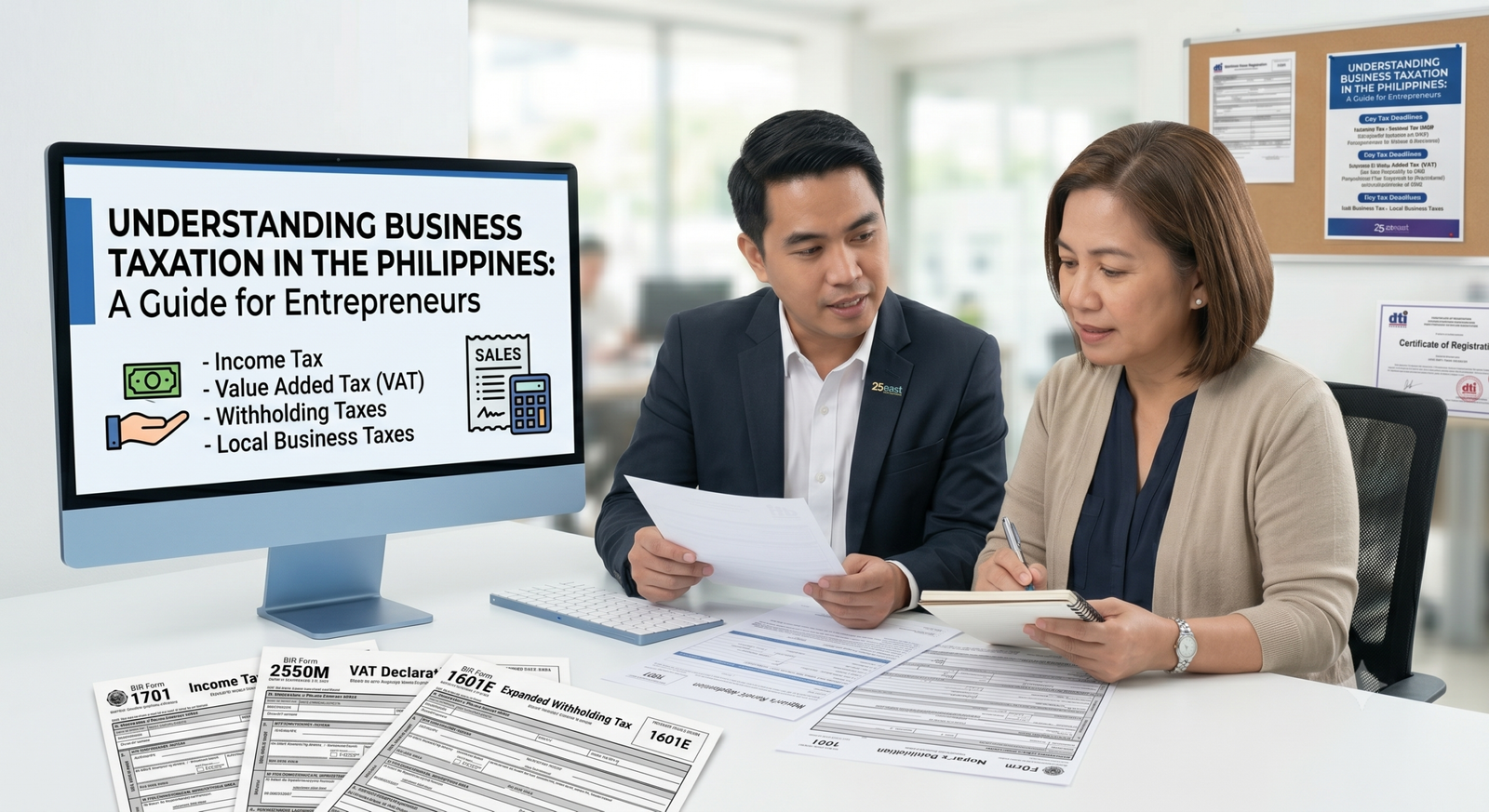
Business taxation in the Philippines is a critical aspect of entrepreneurial operations, influencing not only the financial health of businesses but also the broader economic environment. For entrepreneurs, understanding the structure of corporate tax and its implications is vital for informed decision-making and ensuring compliance with local regulations. An array of taxes applies to businesses, including income tax, value-added tax (VAT), and local government unit (LGU) taxes, which are applicable depending on the nature of operations.
Corporate tax is imposed on the earnings of companies, with specific rates established by the government. Business tax compliance is a legal obligation that entails timely filing and payment, as failure to adhere can result in penalties and legal implications. Additionally, VAT, a consumption tax levied on the sale of goods and services, is another significant component of business taxation, requiring timely assessments and payments to the Bureau of Internal Revenue (BIR).
Furthermore, local taxes, often referred to as city government tax, must be considered when operating in a municipality. These might include business licenses, regulatory fees, and property taxes, which vary by locality. Understanding the distinctions and requirements of these taxes is essential for anyone looking to operate sustainably within the local business environment. Tax policies in the Philippines are continuously evolving, making it even more critical for business owners to stay updated on changes that might affect their obligations.
As we delve deeper into the nuances of business taxation in the Philippines, it becomes apparent that becoming well-versed in the various types of taxes and their implications is crucial for maintaining compliance with the regulations and fostering business growth. Through this guide, entrepreneurs will gain the knowledge necessary to navigate the complexities of taxation and ensure their businesses thrive legally and financially.
The Bureau of Internal Revenue (BIR): Role and Responsibilities
The Bureau of Internal Revenue (BIR) in the Philippines serves as the primary regulatory body responsible for administrating the country’s tax system. Tasked with the efficient and effective collection of national revenue, the BIR plays a crucial role in ensuring that all individuals and businesses adhere to tax laws, including business tax obligations. It operates under the Department of Finance and plays a fundamental part in the economic framework of the nation.
One of the core functions of the BIR is the collection of taxes, including income tax, value-added tax, and the corporate tax imposed on profitable businesses. The BIR meticulously administers the tax laws stipulated under the National Internal Revenue Code and provides guidance to taxpayers regarding compliance with the prevailing regulations. This includes returning unfiled taxes and auditing taxpayers to ascertain compliance with declared income and business tax responsibilities.
Moreover, the BIR is responsible for issuing rulings and regulations intended to clarify the interpretation and application of tax laws. This aids taxpayers, especially businesses, in understanding their obligations and ensuring compliance to avoid penalties. The BIR also collaborates with local government units (LGUs) regarding city government tax, which entails local taxation laws and how they align with national tax policies.
In addition to collection and compliance enforcement, the BIR provides taxpayer education programs aimed at informing entrepreneurs of their rights and responsibilities under the tax code. By ensuring a thorough understanding of the tax system, including corporate tax implications, the BIR fosters an environment where businesses can operate within the legal framework while contributing to the nation’s revenue.
Local Government Units (LGUs) and Their Taxation Policies
Local Government Units (LGUs) play a critical role in business taxation within the Philippines, exercising their authority to implement local tax measures tailored to their specific jurisdictions. These taxes include local business taxes, fees, and charges, which are essential for funding local services and infrastructure. To operate legally and benefit from such services, entrepreneurs must comply with the local taxation policies set forth by their respective LGUs.
Unlike the Bureau of Internal Revenue (BIR), which governs national tax matters including corporate tax obligations, the LGUs have the autonomy to establish their own business taxes. This creates a dual taxation landscape for entrepreneurs. For instance, registration with the BIR is necessary for national tax compliance, but businesses must also register with their respective LGUs to adhere to local ordinances. The requirements and processes for registration can significantly differ between the two levels of taxation.
It is imperative for entrepreneurs to understand that local tax structures can vary widely from one municipality to another. For example, some LGUs may impose a higher percentage for local business tax compared to others, while certain localities may offer incentives such as lower tax rates or exemption from specific fees to promote local economic development. Thus, startups and established businesses alike must carefully navigate these regulations to ensure compliance, as failure to adhere to LGU tax requirements can result in penalties or administrative actions.
In conclusion, LGUs are instrumental in shaping the business tax environment in the Philippines. Understanding the taxation policies imposed by local governments is as crucial as complying with BIR requirements. Entrepreneurs must familiarize themselves with both levels of taxation to ensure legal operation and optimal financial management of their investments.
Types of Taxes Businesses Need to Understand
In the Philippines, entrepreneurs are required to navigate a complex landscape of business taxation, which consists of various types of taxes that may impact their operations. Understanding these taxes is crucial for compliance and effective financial management.
One of the primary forms of taxation is the income tax, which is generally imposed on the profits of a business. Corporations are subject to a flat corporate tax rate that has been established to determine the taxable income after allowable deductions. It is vital for business owners to know the applicable rates, filing deadlines, and the implications of late payments.
Another significant tax is the excise tax, applied on specific products such as fuel, tobacco, and alcohol. This tax is assessed at the point of manufacture or importation, and businesses engaged in these sectors must factor in the excise tax when projecting costs and retail prices.
The percentage tax is another key category, particularly relevant for small businesses whose gross sales do not exceed a certain threshold. Instead of income tax, these businesses may be liable to pay a percentage tax on their monthly sales and receipts, thus simplifying their tax obligations.
Property tax, assessed on real estate assets, is another consideration for entrepreneurs, particularly those owning commercial properties. Local government units (LGUs) administer this tax, and rates can vary widely based on the property’s location and valuation.
Lastly, local business taxes, often referred to as city government taxes, comprise various fees and taxes levied by municipal corporations. This can include business permits, licenses, and other regulatory fees. Understanding these local tax requirements is essential for compliance and to avoid any legal complications.
Overall, being well-informed about these different types of business taxes can greatly assist entrepreneurs in managing their tax liabilities effectively, thereby supporting their long-term success.
Importance of Compliance in Business Taxation
Compliance with business taxation laws is a fundamental responsibility for entrepreneurs in the Philippines. Corporate tax regulations are designed to ensure that businesses contribute to the national economy and adhere to legal standards. Failure to comply with these laws can lead to significant repercussions, including penalties, fines, and even legal issues that may hinder business operations.
In the Philippines, local government units (LGUs) and the Bureau of Internal Revenue (BIR) impose various business taxes, including the city government tax. Non-compliance with these regulations can result in audits, increased scrutiny from tax authorities, and potential criminal charges in severe cases. For instance, businesses that evade paying corporate tax may face hefty fines that can strain financial resources, affecting overall profitability.
Conversely, proper compliance with business tax obligations brings numerous benefits. A business that consistently meets its tax requirements is likely to enjoy an improved reputation, both among consumers and within the industry. This increased credibility can lead to enhanced customer trust, fostering a loyal customer base that is beneficial for long-term success.
Additionally, compliant businesses may gain access to government contracts and incentives that are often reserved for companies that follow regulations diligently. Such opportunities can significantly increase a company’s market share and enhance its competitive edge in the local and national landscape. Through adherence to corporate tax laws, business owners can position their enterprises for growth and stability.
Ultimately, while the complexities of business taxation in the Philippines may pose challenges, the importance of compliance cannot be overstated. Ensuring adherence not only mitigates risks associated with penalties and legal issues but also lays the groundwork for sustainable business development.
Partnering with Local Accounting Firms: Why It Matters
In the complex landscape of business taxation in the Philippines, it is essential for entrepreneurs to navigate the intricacies of corporate tax, business tax, and local government taxation (LGU tax). Partnering with a professional accounting firm can provide numerous advantages over handling tax preparation and compliance independently or hiring individuals with limited expertise.
Local accounting firms have a comprehensive understanding of the specific requirements of city government tax policies, enabling them to offer tailored services that address the unique needs of businesses in the area. This customized approach ensures that entrepreneurs are not only compliant with the prevailing tax laws but also optimized for potential savings and deductions. By collaborating with professionals, businesses can access expert guidance that reduces the risk of penalties associated with tax miscompliance.
Moreover, local accounting firms stay abreast of the latest changes in tax legislation and regulations. The Philippine tax system is known for its frequent updates, and keeping track of these changes can be challenging for business owners. By working with a specialized firm, entrepreneurs can ensure they are fully informed about any adjustments that may affect their corporate tax obligations. This foresight can assist in budgeting and financial planning, leading to more robust business strategies.
In addition to their expertise in tax compliance, many local accounting firms offer additional services, such as business consulting and financial planning. This holistic approach allows entrepreneurs to receive well-rounded support that contributes to their long-term growth. Ultimately, by leveraging the knowledge and resources of local accounting firms, businesses can successfully navigate the complex world of business tax, ensuring they remain compliant while optimizing their financial performance.
Benefits of Choosing 25east as Your Accounting Partner
In the complex landscape of business tax compliance in the Philippines, aligning yourself with a proficient accounting partner can significantly ease the burden of navigating corporate tax obligations. 25east has established itself as a prime local accounting solution, offering a multitude of benefits for entrepreneurs and businesses alike.
One of the key advantages of working with 25east is their extensive expertise in local taxation, including LGU tax and city government tax regulations. Their team is well-versed in the nuances of the Philippine tax system, ensuring that businesses are compliant with all relevant laws while optimizing their tax liabilities. This knowledge is crucial for entrepreneurs who wish to effectively manage their corporate tax without the fear of inadvertent non-compliance.
Moreover, 25east is renowned for its personalized services tailored to the specific needs of its clients. Unlike larger accounting firms, 25east places a strong emphasis on building relationships, allowing them to understand the intricacies of each business’s operations. This approach ensures that they not only provide tax services but also facilitate strategic financial planning, aligning business goals with fiscal responsibilities. Clients have praised 25east for their commitment to delivering customized solutions that reflect the unique challenges of each industry.
Additionally, 25east boasts a successful track record with various businesses in the Philippines, evidenced by numerous testimonials that highlight their effectiveness and reliability. Companies have reported significant improvements in their business tax handling and overall financial health after partnering with 25east. This history of satisfied clients solidifies their reputation as a trusted partner in financial matters.
Utilizing the expertise of 25east can position your business for sustained growth while ensuring compliance with complex business tax requirements. Engaging an accounting partner that truly understands the local financial landscape can facilitate a more efficient and effective approach to managing corporate taxation.
Navigating Changes in Taxation Laws and Guidelines
Taxation laws in the Philippines are subject to frequent changes, which can significantly impact entrepreneurs and their businesses. To navigate this dynamic landscape, it is crucial for business owners to remain informed about the latest developments in corporate tax laws, compliance requirements, and other relevant regulations. Understanding the intricate workings of business tax and local government taxes (LGU tax) is essential for strategic financial planning.
One viable approach to keeping up with changes in tax legislation is to subscribe to official government updates. The Bureau of Internal Revenue (BIR) regularly publishes circulars, advisories, and other informative materials that address modifications in tax policies. In addition to these newsletters, entrepreneurs can leverage resources from local and city government tax offices, which provide insights on tax compliance and evolving guidelines that may affect their operations.
Furthermore, engaging with tax professionals and financial advisors can facilitate a more profound understanding of new taxation laws and their implications on business tax rates. These experts can assist in interpreting complex regulations and ensuring compliance, thereby minimizing the risk of unintended penalties. Regular consultations can help in identifying potential exemptions or incentives that may apply to the business, ultimately enhancing profitability.
In addition to staying informed through official channels and professional advisors, entrepreneurs should also consider joining local business associations or networks. These groups often share valuable information and updates on corporate tax issues and government regulations, creating an environment where members can learn from each other’s experiences. Participation in workshops and seminars can also be beneficial for discussing best practices in tax management and reporting.
Taking a proactive stance on financial planning involves not only understanding taxation requirements but also anticipating potential changes. By developing adaptable business strategies that account for the uncertainties of taxation laws, entrepreneurs can better position themselves for sustained growth and success.
Conclusion and Call to Action for Entrepreneurs
Understanding business taxation in the Philippines is essential for entrepreneurs aiming to achieve both compliance and growth. The landscape of corporate tax, local government unit (LGU) tax, and city government tax can be complex, and navigating these regulations is crucial for sustainability and success. Failure to comply with tax requirements may lead to penalties that can affect a business’s financial health.
It is important for entrepreneurs to familiarize themselves with various tax obligations, including income tax, value-added tax (VAT), and other local business taxes imposed by LGUs. As the local taxation framework can differ significantly between different regions, awareness of city-specific tax regulations is critical. Entrepreneurs should maintain accurate records and stay updated with any changes in tax laws to ensure compliance and avoid potential legal issues.
Moreover, the process of managing business tax compliance can be time-consuming and complicated. Thus, seeking assistance from professional services, such as accounting firms like 25east, can provide significant advantages. These professionals can offer guidance tailored to specific business needs, helping entrepreneurs leverage tax incentives and deductions effectively to maximize savings. Furthermore, engaging with qualified tax advisors can free up valuable time, allowing business owners to focus on core operations and strategic planning.
In conclusion, recognizing the importance of tax compliance is crucial for every entrepreneur in the Philippines. By partnering with qualified tax experts and gaining a deeper understanding of corporate and local business tax obligations, entrepreneurs can pave the way for improved business performance and long-term sustainability.