
Introduction
In today’s increasingly globalized workforce, many businesses are turning to the Philippines for access to a talented pool of remote workers. The cost-effectiveness and professionalism exhibited by Filipino workers make them a viable option for companies looking to expand their operations. However, when considering the employment of remote workers in the Philippines, businesses face two primary options: establishing their own entity through a Philippine company setup or opting for an Employer of Record (EOR) service. Each option has its set of advantages and implications that can significantly impact overall business operations.
The decision to set up a Philippine entity involves navigating the complexities of Philippine business registration and incorporation processes. This approach gives businesses full control over their hiring and operational decisions, enabling them to customize the employment setup according to their strategic goals. However, this route requires thorough knowledge of local regulations, an understanding of labor laws, and adherence to various compliance measures, which can be daunting for many foreign companies.
On the other hand, leveraging an EOR service simplifies the process by managing all aspects of workforce management. This allows businesses to bypass the intricacies of Philippine company setup while still enjoying the benefits of hiring local talent. The EOR takes on the responsibilities of payroll, compliance, and employee benefits, thus reducing administrative burdens and allowing companies to focus on their core competencies.
Understanding the nuances of both options is crucial for organizations aiming to establish a robust presence in the Philippines. The right choice will ultimately facilitate smoother operations and elevate overall business success. As we explore in further sections, evaluating factors such as costs, compliance, and operational efficiency will help determine which approach is best suited for employing remote workers in the Philippines.
What is a Philippine Entity?
A Philippine entity refers to a legal formation registered within the Philippines, which allows businesses to operate and establish a presence in the country. Typically, this can take the form of a corporation, partnership, or a sole proprietorship. Establishing a Philippine entity is a strategic decision for businesses wishing to tap into the growing market and workforce of the country.
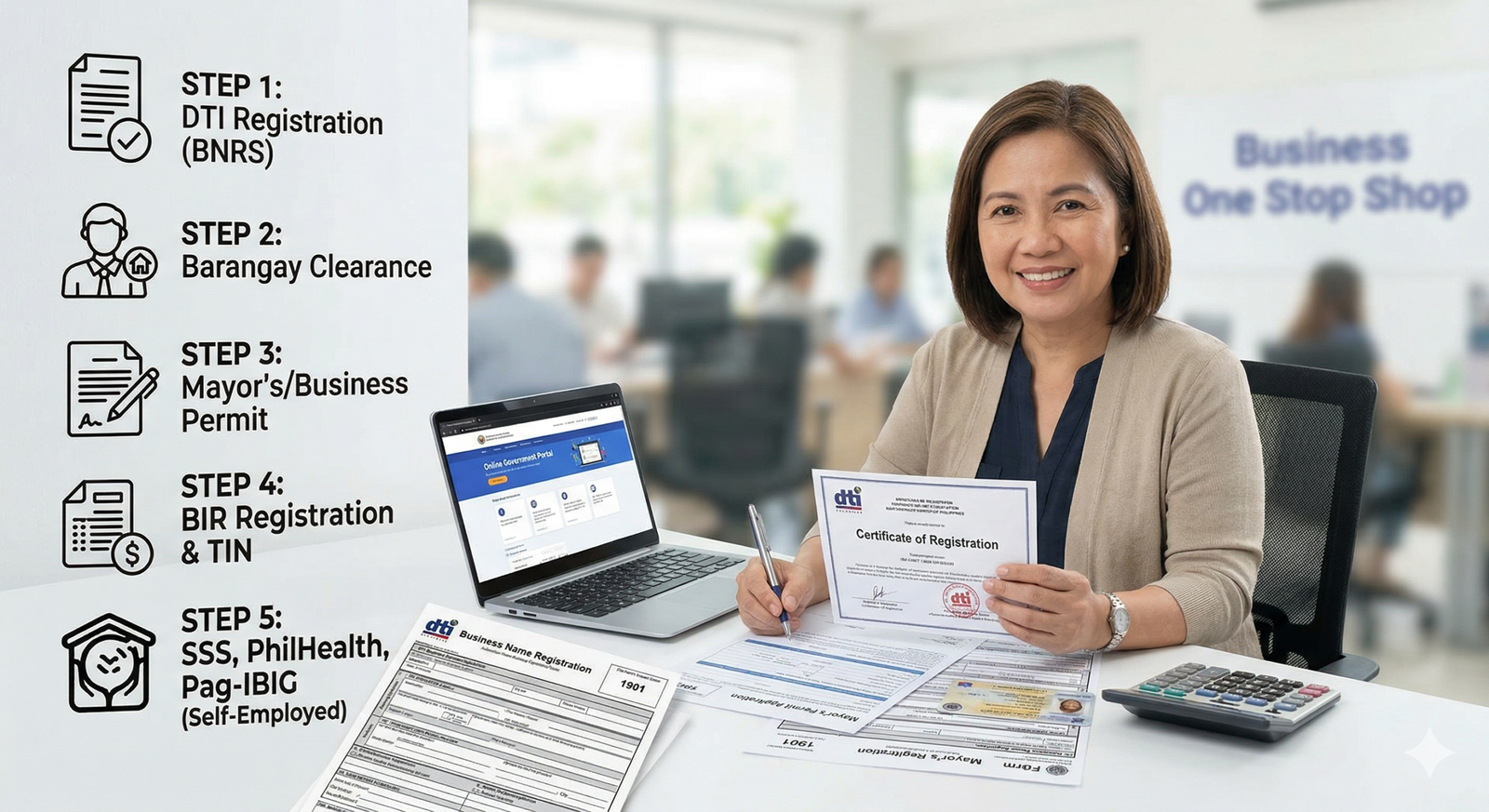
The process of establishing a Philippine company begins with identifying the appropriate business structure. A corporation is the most common structure due to its limited liability features and ability to separate personal and business finances. Once a structure is decided, the business must undergo several steps for registration, which include obtaining a Certificate of Registration from the Securities and Exchange Commission (SEC).
Following this initial registration, businesses are also required to secure necessary permits and licenses from various governmental bodies. This involves the application for a Business Permit from the local government unit, registration with the Bureau of Internal Revenue (BIR) for tax identification purposes, and compliance with other regulatory requirements. The registration process can be time-consuming and may require the assistance of legal and financial experts to ensure compliance with local laws.
Apart from the registration process, companies must also be aware of their ongoing legal obligations related to labor laws, taxation, and corporate governance. These obligations include adhering to labor standards, timely filing of tax returns, and maintaining statutory records. Businesses opting for Philippine company setup must equip themselves with knowledge of these operational aspects to remain compliant and avoid potential penalties.
What is an Employer of Record (EOR) Service?
An Employer of Record (EOR) service is a crucial solution for companies seeking to hire remote workers without the complexities associated with establishing a physical presence in another country. An EOR acts as the official employer for remote employees, handling legal employment responsibilities while allowing businesses to focus on their core operations. This arrangement simplifies the hiring process, particularly for those looking to engage a Philippine company setup for their workforce.
The services offered by EORs encompass a wide range of employment-related activities, including payroll management, compliance with local labor laws, and benefits administration. By outsourcing these functions to an EOR, companies can reduce the administrative burden typically associated with hiring and managing employees in foreign jurisdictions. This is particularly beneficial for businesses that do not have experience with Philippine business registration or the nuances of local regulations.
Moreover, an EOR ensures that employees receive all necessary benefits, such as health coverage, vacation allowances, and retirement plans, compliant with local laws. This level of compliance and care protects both the employees and the employer from potential legal issues. By partnering with an EOR, companies can swiftly navigate the complexities of incorporation and employment laws, thereby facilitating a smooth integration of remote workers into their workforce.
Organizations can also benefit from the flexibility offered by EOR services, as these entities are adept at scaling workforce operations quickly to meet changing business demands. Whether a company intends to employ a single contractor or a larger team, utilizing an EOR for hiring and managing remote workers can significantly streamline the overall process, all while ensuring compliance and reducing risk.
Pros of Setting Up Your Own Philippine Entity
Establishing your own business in the Philippines offers numerous advantages, particularly for companies looking to hire remote workers. One notable benefit is the increased control over operations. By setting up a Philippine entity, you can tailor the business operations to align closely with your global strategy and objectives. This autonomy enables swift decision-making and strategy execution, which can be essential in a competitive market.
Another compelling reason for incorporating a Philippine entity is the enhanced brand presence it provides. A local business setup can strengthen your brand’s visibility and credibility among local customers and partners. For instance, a dedicated Philippine entity can foster trust and loyalty among Filipino clients, leading to improved relationships and business opportunities.
Moreover, local autonomy is critical when addressing specific market needs. Having a Philippine business registration allows you to adapt your offerings, marketing strategies, and customer service approaches to better suit local preferences and regulations. This flexibility can lead to a significant competitive advantage in meeting the unique demands of the Philippine market.
Tax benefits also present a substantial advantage in the context of Philippine company setup. Depending on the nature of your business and compliance with local regulations, there may be tax incentives available for foreign investors. These could result in reduced corporate tax liability, allowing greater reinvestment into the business.
In conclusion, setting up your own entity in the Philippines encompasses benefits such as control, brand strength, operational autonomy, and potential tax advantages. These factors should be meticulously considered when deciding between establishing a local presence or engaging an employer of record (EOR) service.
Cons of Setting Up Your Own Philippine Entity
Establishing your own entity in the Philippines can present several significant challenges that may deter many businesses from pursuing this route. One of the primary drawbacks is the high setup costs associated with incorporation. These expenses can accumulate quickly, encompassing legal fees, licensing costs, and potential capital requirements. Furthermore, businesses must allocate financial resources for ongoing operational expenses that can further strain budgets, particularly for startups or smaller organizations.
In addition to the financial implications, the process of Philippine business registration can be quite lengthy and complex. The required steps can involve navigating multiple bureaucratic channels, submitting extensive documentation, and adhering to various regulatory requirements. This drawn-out process may take several months, leading to delays in initiating operations and recruiting remote workers.
Regulatory compliance poses another challenge. The Philippine government has specific requirements and standards that foreign businesses must meet, including tax compliance and labor laws. Failure to adhere to these regulations can result in penalties or legal complications, which can be daunting for those unfamiliar with the local legal landscape. Moreover, inconsistent policy enforcement across different regions can further complicate the business landscape.
Additionally, maintaining the entity requires a sustained commitment to administration and compliance. Regular filing requirements, employee payroll management, and sustaining local operational presence can drain resources and attention away from core business functions. For many companies, especially those aimed at immediate profitability, these hurdles can outweigh the perceived benefits of direct incorporation.
In conclusion, while setting up your own Philippine entity might offer certain advantages, the associated costs, lengthy processes, regulatory compliance challenges, and ongoing administrative responsibilities may lead many organizations to consider alternatives such as using an Employer of Record (EOR) service for managing remote workers.
Pros of Using an EOR Service
Engaging an Employer of Record (EOR) service presents multiple advantages for businesses considering a Philippine company setup. One of the primary benefits is the reduction of administrative burden associated with employment management. By outsourcing the HR functions to an EOR, companies can avoid the complexities of Philippine business registration and regulations, allowing them to focus on their core business processes.
Additionally, utilizing an EOR can significantly accelerate the hiring process. Traditional incorporation procedures may involve extensive documentation and adherence to local laws, potentially delaying recruitment efforts. In contrast, an EOR already has established infrastructure, enabling faster onboarding of remote workers and ensuring that teams are operational as quickly as possible.
Another critical aspect of employing an EOR service is the assurance of immediate compliance with local labor laws. This offers peace of mind to businesses, as EOR providers are well-versed in the latest regulations and requirements concerning employee rights and protections in the Philippines. By partnering with an EOR, companies significantly lower the risk of legal complications that can arise from non-compliance.
Moreover, EOR services provide the flexibility to scale teams efficiently. As business needs fluctuate, companies can easily adjust their workforce size without the hassle of navigating the complexities of termination or hiring processes that are often required with direct employment. This adaptability enables organizations to respond swiftly to market demands and growth opportunities.
Ultimately, utilizing an EOR service presents a compelling alternative to traditional employment structures, particularly for businesses aiming to establish a presence in the Philippines and hire remote workers effectively.
Cons of Using an EOR Service
Utilizing an Employer of Record (EOR) service for hiring remote workers can present several downsides that businesses must consider carefully. One significant drawback is the reduced control over employee management. Under an EOR arrangement, the EOR acts as the official employer, which means that they handle payroll, benefits, and compliance. Consequently, this can lead to a disconnect between the company and its remote workforce, making it challenging to establish a cohesive company culture and seamless communication.
Another concern with employing an EOR service is the potential for higher long-term costs. While some organizations may find it financially viable to use an EOR in the short term, maintaining this partnership over an extended period might prove to be more expensive compared to establishing a local entity through Philippine company setup. Costs associated with ongoing service fees, administrative expenses, and markups by the EOR can accumulate rapidly, which may not be the most cost-effective solution for businesses scaling their operations.
In addition to increased costs, businesses may also encounter varying service quality among different EOR providers. This inconsistency in service can result in issues such as delays in payroll processing, inaccurate tax filings, or inadequate employee support. When considering Philippine business registration and incorporation, it is essential to investigate and choose a reputable EOR service provider to mitigate such risks. If the EOR does not prioritize compliance and employee satisfaction, it may adversely affect the productivity and morale of the remote workforce.
Ultimately, while EOR services can simplify many aspects of workforce management, potential downsides, including limited control, increased costs, and varying service quality, should be weighed against the benefits when selecting the most suitable approach for your company’s hiring needs.
Comparison: Entity vs. EOR
When evaluating the options for hiring remote workers in the Philippines, businesses must weigh the merits of setting up a local entity against utilizing an Employer of Record (EOR) service. Each path presents distinct advantages and disadvantages, particularly when considering control, cost, complexity, and scalability.
Control over operations is a critical factor. Establishing a Philippine company setup allows business owners to have full authority over hiring practices, employee management, and compliance with local laws. However, this approach demands thorough knowledge of Philippine business registration requirements as well as ongoing administrative responsibilities. Conversely, an EOR assumes these responsibilities, providing businesses with more oversight on remote workers’ activities while reducing administrative burdens.
Cost is another vital consideration. Incorporation often entails higher initial investments, including registration fees, legal costs, and taxation obligations. Companies opting for a Philippine entity may also face ongoing costs associated with local compliance and payroll management. On the other hand, an EOR service typically operates on a per-employee fee structure, which may result in lower upfront costs and predictable monthly expenses. However, these fees can accumulate over time, leading some businesses to reconsider their choice as they scale.
The complexity of setup processes further distinguishes these alternatives. Establishing a business entity requires navigating a multifaceted landscape of regulations and documentation. In contrast, EOR services offer a streamlined alternative, simplifying the process of hiring and managing workers without extensive local knowledge.
Finally, scalability is an important aspect of this comparison. As companies grow, their requirements for workforce management may evolve, making the flexibility of an EOR service attractive. An EOR can quickly adapt to changing personnel needs, whereas a local entity might necessitate complex restructuring or administrative adjustments.
Both options present unique perspectives, allowing businesses to choose based on their specific needs and long-term objectives.
Conclusion and Call to Action
In assessing the options of setting up a Philippine company versus utilizing an Employer of Record (EOR) service, businesses must consider various factors that align with their operational needs and growth strategies. Establishing a Philippine entity involves navigating through a series of formalities, including business registration and incorporation processes. While this path provides greater control over the business, it comes with substantive responsibilities regarding compliance and management.
On the other hand, opting for an EOR can significantly streamline the hiring process for remote workers, allowing companies to bypass the complexities of Philippine business registration and compliance requirements. With an EOR, employers can focus on their core business operations while the EOR manages payroll, legal obligations, and employee benefits. This option is particularly beneficial for companies seeking quick market entry without heavy operational burdens.
Both avenues present unique advantages and considerations. The choice between establishing a business entity and partnering with an EOR will depend largely on your specific business objectives, desired level of control, and the speed at which you aim to hire talent in the Philippines. Assessing long-term goals may also influence your decision-making process.
For businesses considering this decision, 25east offers invaluable support backed by over a decade of experience in both Philippine company setup and EOR services. Their expertise ensures that companies can seamlessly establish their operations while effectively managing remote teams. If you are contemplating the best route for your business, consider reaching out to 25east for personalized insights and solutions tailored to your needs.