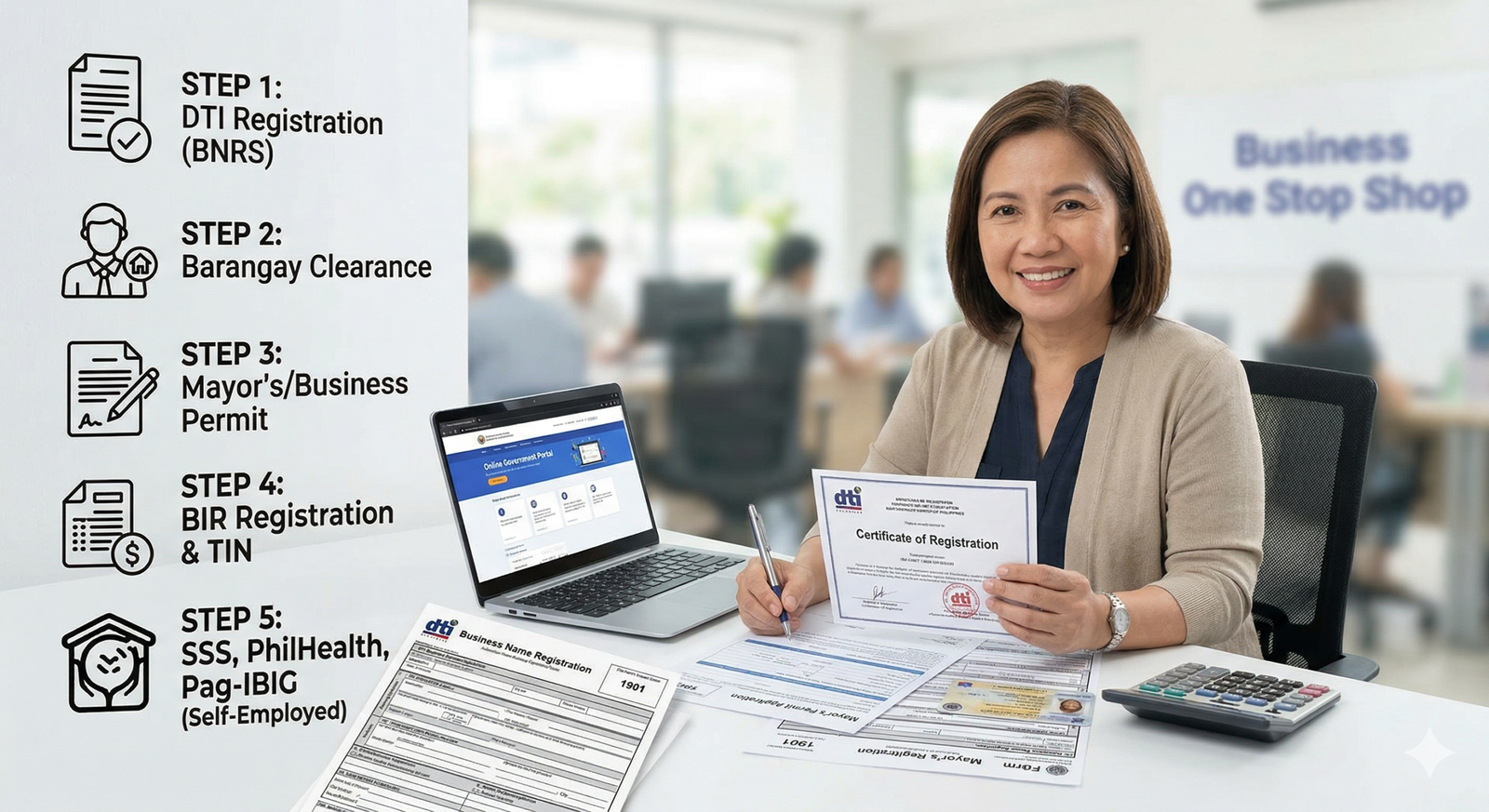

Overview of Company Compliance in the Philippines
Annual compliance in the Philippines refers to the systematic processes and requirements that companies must fulfill to ensure they operate within the legal framework set by the government. This encompasses a range of obligations that include financial reporting, tax filings, and adherence to specific regulations such as the General Information Sheet (GIS) and the filing of other pertinent documents to maintain good standing with regulatory bodies.
The importance of compliance cannot be overstated, as it forms the backbone of corporate governance and accountability. Companies that adhere to annual compliances are often seen as more trustworthy by investors, clients, and other stakeholders. This trust is crucial for sustaining business operations and fostering growth in a competitive market. Moreover, compliance with these regulations helps mitigate legal risks that could arise from non-compliance, such as fines, penalties, or even the revocation of business licenses.
In addition to GIS, specific requirements also demand companies to maintain an accurate inventory of their business activities, ensuring that all operations are documented and reported correctly. This inventory contributes to transparent operations, which are essential for fiscal audits and assessments carried out by various agencies including the Bureau of Internal Revenue (BIR) and the Securities and Exchange Commission (SEC). Companies are thus encouraged to develop robust systems that facilitate the accurate tracking of their ongoing responsibilities.
Overall, understanding and adhering to annual compliance requirements is critical for businesses in the Philippines. It helps safeguard not only their legal operations but also supports the integrity of the overall business environment. By engaging in proper compliance practices, companies can contribute to a sound business ecosystem, ultimately leading to sustainable development and investment in the country.
Key Annual Compliance Requirements for Companies
In the Philippines, companies are required to adhere to a variety of annual compliance requirements, which are crucial for maintaining good standing with regulatory bodies. One of the primary obligations is the submission of the Annual Financial Statements (AFS), which must include detailed financial reporting instruments that reflect the company’s operational performance and financial position over the year. Accurate AFS submissions help foster transparency and accountability, which are essential for stakeholders and investors.
Another important compliance document is the General Information Sheet (GIS). The GIS provides an updated profile of the company’s officers, shareholders, and other crucial information, and must be filed annually with the Securities and Exchange Commission (SEC). The timely submission of the GIS ensures that the SEC has the latest information, which plays a vital role in regulatory oversight and assessment of corporate activities.
Additionally, tax return submissions are essential as companies must comply with the Bureau of Internal Revenue (BIR) requirements regarding the timely filing and payment of taxes. This compliance encompasses various tax types including income tax, value-added tax, and others that may be applicable to the business operations. Companies must ensure that they meet these deadlines to avoid penalties and interest.
Alongside these major filings, companies may also have other pertinent compliance tasks that can include the submission of inventory reports, which provide details on stock levels and asset management, and any other forms required by regulatory authorities. Understanding and fulfilling these compliance obligations not only avoids potential default consequences but also enhances the overall integrity and financial health of the organization.
Tax Compliance and Its Importance
In the Philippines, tax compliance is a fundamental aspect of annual compliances that businesses must adhere to for legal operation. Companies are required to understand and fulfill their specific tax obligations, which primarily include corporate income tax, value-added tax (VAT), and various local taxes imposed by different jurisdictions. Ensuring timely payments and accurate filing of these taxes is crucial to avoid potential penalties and legal issues that can arise from non-compliance.
The corporate income tax is levied on the net income of companies. Thus, it is vital for businesses to maintain an accurate inventory of their financial transactions to ascertain the correct tax liability. Companies must diligently prepare their financial statements and submit their income tax returns (ITRs) within the stipulated deadlines. Non-adherence to such requirements can result in surcharges or interest on unpaid taxes.
Value-added tax (VAT) is another critical component of tax compliance. It applies to the sale of goods and services and requires businesses to collect VAT from their customers and remit this tax to the Bureau of Internal Revenue (BIR). Companies registered for VAT must submit monthly and quarterly returns, reflecting their production and sales activities. Regular and transparent accounting practices are essential to accurately report VAT obligations and to avoid discrepancies that could lead to audits.
Furthermore, local taxes imposed by city or municipal governments may also apply, such as business permit taxes and community tax certificates. Each locality has its specific requirements, and failing to comply can lead to fines or closures. As businesses navigate these obligations, seeking assistance from third-party accounting firms can provide substantial benefits, ensuring all tax liabilities are met, thus maintaining smooth operations throughout the fiscal year.
Corporate Governance Requirements
In the Philippines, corporate governance frameworks are primarily influenced by the need for accountability, fairness, and transparency among companies. The Board of Directors plays a pivotal role in overseeing the company’s activities, ensuring that its direction and operations align with statutory obligations and ethical standards. Members of the Board are expected to act in the best interests of the company and its stakeholders, with corporate governance practices facilitating this by establishing a clear structure for decision-making and accountability.
One of the key expectations of corporate governance is the need for transparency in operations. Companies are required to disclose relevant information to their stakeholders, including financial performance and governance practices, as part of their annual compliance requirements. The adherence to such transparency not only complies with laws but also builds trust with investors and stakeholders, which is critical for a company’s reputation and sustainability. This is particularly significant when addressing obligations under the annual compliance framework, such as the submission of various reports and inventory registrations like GIS-2316, which are essential components of regulatory compliance.
Furthermore, governance practices in the Philippines align with global standards while also catering to local regulatory requirements. Effective internal controls, risk management strategies, and ethical guidelines are significant for ensuring that companies navigate the complexities of compliance successfully. Organizations can enhance their governance frameworks by conducting thorough inventory audits and engaging in regular assessments to meet annual compliance requirements, contributing to long-term organizational integrity and stability. In essence, adherence to corporate governance not only fulfills legal responsibilities but also strengthens operational credibility within the market.
Registration and Licensing Obligations
In the Philippines, companies must adhere to various registration and licensing obligations to maintain annual compliance. The first essential requirement involves securing the necessary business permits and licenses from relevant authorities. This may include obtaining a Business Permit from the local government unit (LGU), which is crucial for legal operation within the municipality or city where the business is based.
In addition to local business permits, companies are also required to register or update their details with the Securities and Exchange Commission (SEC) annually. For corporations, failure to comply with SEC registration updates can result in penalties or even the suspension of their registration. As part of these updates, businesses might need to submit annual financial statements and other reports that reflect their compliance with laws governing corporate operations.
Local government permits also play a significant role in annual compliance. Each local government adheres to specific laws that may vary widely across different regions. Businesses must ensure they are compliant with these local regulations to avoid operational interruptions. This could include securing permits such as Barangay Clearance, and environmental permits, depending on the nature of the business activities.
Annual compliance is not merely a legal formality but essential for maintaining the business’s credibility and operational integrity. Inaccuracies or any lapses in adherence to these compliance requirements can lead to legal repercussions and financial liabilities. Therefore, establishing a robust system to ensure that all registration and licensing obligations are met timely is paramount. Many businesses benefit from employing third-party accounting firms that specialize in compliance, enabling them to focus on strategic goals while ensuring that their annual compliance matters, including their inventory management and other operational requirements, are managed effectively.
The Role of Third-Party Accounting Services
In the complex landscape of annual compliances for companies in the Philippines, third-party accounting services play a crucial role in enabling organizations to meet their obligations efficiently. These services encompass a broad spectrum of activities, ranging from bookkeeping and tax preparation to audit assistance and financial consulting, all of which are integral to maintaining compliance with local regulations.
One key advantage of outsourcing accounting tasks to third-party firms is their ability to provide specialized expertise. Many accounting firms employ professionals with deep knowledge of Philippine laws and standards, including the necessary compliance requirements such as GIS (General Information Sheet) and 2316 forms. By leveraging their expertise, companies can ensure that they are adhering to legal mandates while minimizing the risk of errors that might lead to penalties.
In addition to expertise, third-party accounting services offer scalability, allowing companies to adjust their level of accounting support based on current needs. In periods of high activity, such as the end of the fiscal year when annual inventory assessments are due, these firms can provide the necessary resources to ensure reports are compiled accurately and timely. This flexibility can alleviate the burden on in-house teams, allowing them to focus on core business operations while ensuring that all financial records and compliance documents are in order.
Furthermore, outsourcing accounting tasks can lead to cost savings for businesses. By utilizing third-party services, companies can avoid the overhead associated with maintaining a full-time accounting department. They benefit from a dedicated service that can efficiently handle diverse tasks related to annual compliances while allowing internal resources to concentrate on growth and strategic initiatives. Such outsourcing solutions are not merely convenient; they represent a strategic investment in the company’s compliance and overall financial health.
Benefits of Using Third-Party Accounting for Annual Compliance
Engaging third-party accounting firms for annual compliance offers numerous advantages that can significantly enhance the operational efficiencies of businesses in the Philippines. One of the primary benefits is cost-effectiveness. Hiring a dedicated in-house team may incur high salaries and benefits costs, while outsourcing to accounting firms allows companies to access specialized services at a fraction of the expense. This approach enables businesses to allocate financial resources more effectively, directing their investments to areas that foster growth.
Furthermore, third-party accounting firms provide access to expert knowledge. These firms typically employ professionals with extensive training and experience in various sectors, ensuring that companies benefit from up-to-date information regarding compliance requirements, such as the annual compliance report, Inventory (GIS) Form 2316, and other necessary documentation. This expertise facilitates adherence to legislative changes promptly, mitigating the risks associated with non-compliance.
Another notable benefit of utilizing third-party accounting services is improved compliance accuracy. By relying on professionals who specialize in compliance tasks, businesses reduce the chances of errors that might arise from less experienced personnel. Such errors can be costly and detrimental to a company’s reputation. Third-party accountants can also provide timely reminders and updates regarding submission deadlines for annual compliances, ensuring that all required forms are correctly filled and submitted on time.
Lastly, the peace of mind that comes from knowing a qualified firm is overseeing compliance matters is invaluable. This allows business owners and managers to focus on core functions and strategic initiatives rather than worrying about meeting strict regulatory requirements. In an increasingly complex regulatory landscape, leveraging third-party expertise can facilitate smoother business operations and enhance overall organizational performance.
Common Challenges in Compliance Management
Managing annual compliances is integral for any business operating in the Philippines, yet numerous challenges can arise during this process. One significant difficulty is the need to keep track of multiple deadlines throughout the year. Companies must ensure that they are aware of various reporting dates associated with their tax obligations, submissions to the Bureau of Internal Revenue (BIR), and other regulatory bodies. Missing a deadline can result in penalties, which adds considerable stress to the compliance management process.
Furthermore, understanding complex regulations presents another major hurdle. The landscape of Philippine compliance is often intricate, with numerous laws and requirements that can differ depending on the nature of the business. Many companies face confusion regarding how to adhere to these regulations, which can lead to inadvertent non-compliance. This complexity necessitates adequate training and resources to ensure that employees are well-informed about their responsibilities, potentially requiring external expertise to navigate the myriad rules effectively.
Accurate documentation is also a vital aspect of managing annual compliance. Each business needs to maintain meticulous records to substantiate their financial statements and support their compliance with regulations such as the Fiscal Incentives Review Board (FIRB) and the General Inventory System (GIS). Poor documentation can undermine the integrity of the filings and may invite scrutiny from regulatory authorities. As such, companies should invest in robust record-keeping systems and practices that assist in maintaining the required documentation integrity.
In conclusion, the management of annual compliances involves a range of challenges, from tracking deadlines and understanding regulations to ensuring thorough documentation. Addressing these issues is crucial for businesses to maintain compliance and minimize risks associated with non-adherence to legal requirements.
Conclusion and Best Practices for Compliance
Maintaining annual compliance is crucial for companies operating in the Philippines. Businesses not only need to adhere to local regulations but also to effectively manage their inventory and operational practices. As discussed throughout this blog post, the various facets of annual compliance requirements encompass several key obligations, including the timely submission of tax returns, the filing of financial statements, and the adherence to the General Information Sheet (GIS), specifically Form 2316. Compliance with these requirements is essential for mitigating risks and ensuring the smooth operation of a business.
To foster an environment conducive to compliance, companies should prioritize several best practices. Firstly, businesses should establish a dedicated compliance team that is well-versed in regulatory requirements and understands both the nuances of the law and how it applies to their specific industry. This team can create and maintain an inventory of all necessary compliance obligations, ensuring that deadlines are met and requirements are fulfilled without overlooking any pertinent details.
Moreover, leveraging third-party accounting services can significantly enhance compliance efficiency. These professionals come equipped with the knowledge and experience necessary to navigate complex compliance landscapes. Engaging third-party services enables companies to focus on their core operations while professionals handle the intricacies of annual compliances, including accurate tax reporting and adherence to GIS requirements. This approach not only mitigates the risk of non-compliance but also provides businesses with peace of mind, knowing that experts are managing their regulatory obligations.
In summary, by implementing these best practices and seeking assistance through third-party services, companies can enhance their compliance efforts, reduce potential risks, and ultimately drive sustainable growth in the Philippines. The proactive management of annual compliance not only ensures compliance with regulations but also fosters an ethical and responsible business environment.